

Data-driven practices make reference to using quantitative data and sophisticated analytics to know, estimate, and improve general health outcomes. By gathering and considering large datasets from patient backgrounds, medical tests, and wearable engineering, analysts and doctors can identify chance factors, enhance remedies, and monitor progress more effectively.
How can Michael Lebow MD apply these strategies?
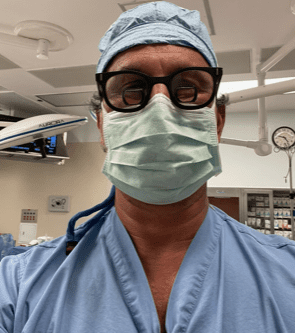
Doctor Jordan Lebow integrates statistical modeling, predictive analytics, and individualized chance analysis resources in to scientific practice. By studying habits across large populations, he identifies early signals of vascular diseases, enabling hands-on interventions. His strategy highlights precision medication, ensuring that each and every individual receives treatment tailored to their special cardiovascular profile.
What're the benefits of using data-driven methods?
Recent data highlight that customized vascular health plans knowledgeable by data-driven ideas can decrease the incidence of difficulties by around 30%. Individuals knowledge quicker healing situations, increased long-term outcomes, and decrease healthcare costs. Dr. Lebow stresses that mixing individual knowledge with evidence-based practices allows clinicians to produce knowledgeable choices and monitor the effectiveness of interventions over time.
Which systems are many powerful in general data analysis?
Important systems include electronic health records (EHRs), wearable center displays, imaging application, and device understanding algorithms. These methods allow for continuous tracking of blood movement, arterial rigidity, and cholesterol patterns. Based on new reports, the integration of wearable data with clinical documents increases predictive accuracy for aerobic activities by 25–40%.
How is this transforming individual care?
Individuals take advantage of more targeted therapy options and early detection of potential vascular issues. Data-driven methods permit doctors to shift from reactive care to preventive care. Dr. Lebow records that this approach assists patients realize their very own health traits and encourages adherence to life style changes such as diet, workout, and medication compliance.
Is there any measurable outcomes from Dr. Lebow's research?

Yes. Printed knowledge from his practice and affiliated study tasks show measurable improvements in individual vascular function, including reductions in body stress, increased arterial flexibility, and decrease chance ratings for heart disease. Statistical designs used in his study have served recognize patterns previously invisible with old-fashioned practices, improving both diagnosis and treatment precision.
Conclusion:
The integration of data-driven practices in general health is revolutionizing patient care. Michael Lebow MD strategy mixes cutting-edge engineering with strong analytics to supply individualized, preventive, and extremely efficient care. As more doctors embrace these practices, the entire typical of general health administration is estimated to boost somewhat, benefiting individuals worldwide.